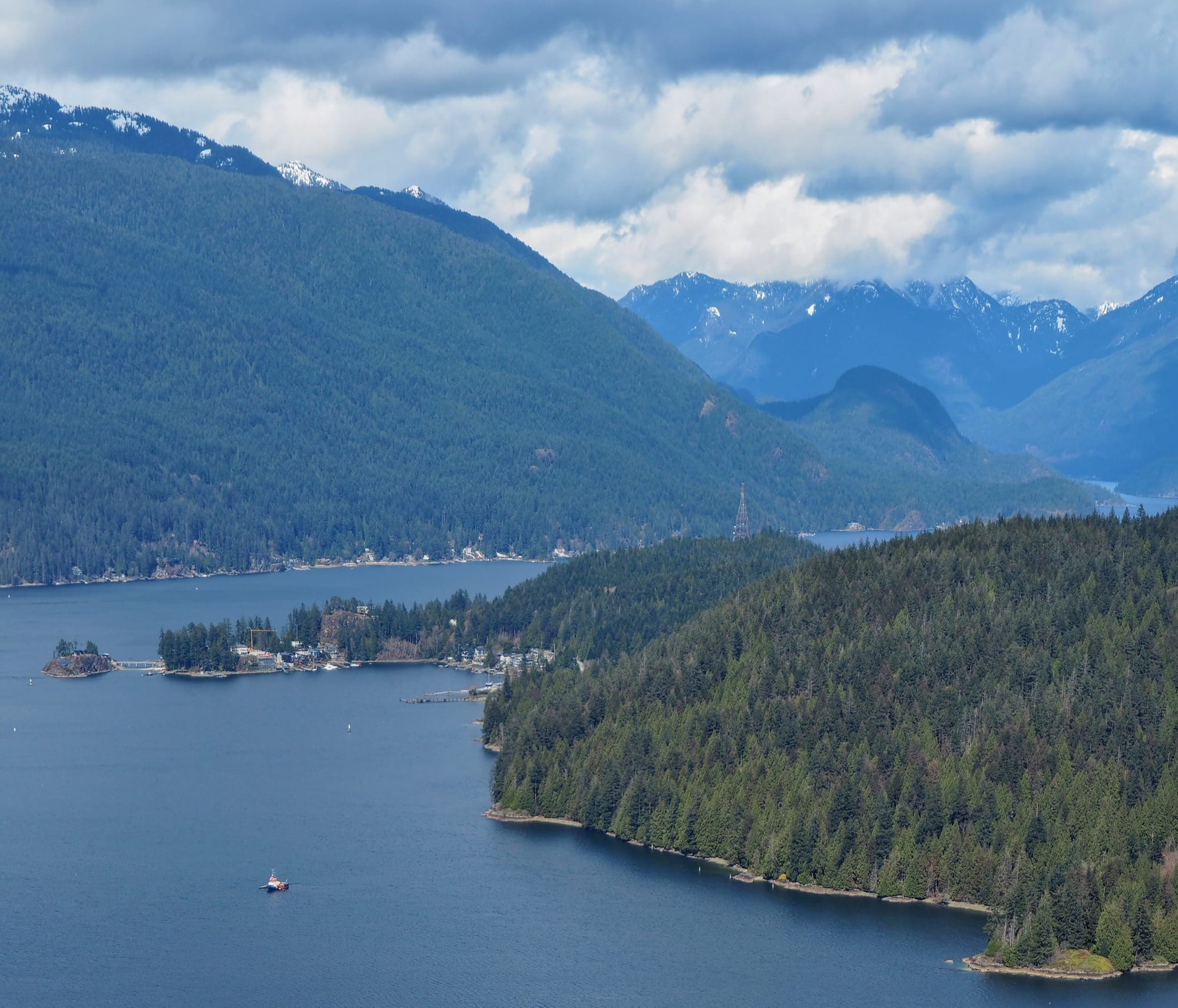
A proposed Grades 9–12 school · Port Moody, BC
Cedar Roots Community School
Rooted in Place. Growing Together.
An innovative secondary school where learning connects with the land, community, and each student's individual journey.
- Grades
- 9 to 12
- Setting
- Between forest and inlet
- Approach
- Land, community, student agency
Our philosophy
Learning that starts where students stand.
Cedar Roots is a learner-centred secondary school built around a simple idea: young people learn best when their education is connected to real places, real people and their own goals.
Our students would build strong foundations in literacy, numeracy and the sciences while spending regular time on the shoreline, in the forest and in the community. They help choose their pathways, take on real responsibility, and are known well by the adults around them.
Learning beyond walls. Growing through community.
Five learning pillars
What holds the school together
- 01
Land-Based Learning
The shoreline, forest and school garden become regular places to learn — for science, mathematics, writing, art and physical education.
Outdoor & land-based learning - 02
Student Agency
Students help shape what and how they learn, with flexible pathways, inquiry projects and regular conversations about their goals.
Learning pathways - 03
Community Connection
Families, older neighbours, local organizations and younger students are part of school life, and the building is designed to stay open to the community after hours.
Community connections - 04
Inclusion & Wellbeing
Spaces, schedules and teaching are designed so that every student can take part — including quiet rooms, flexible seating and strong student services.
Wellness & inclusion - 05
Creativity & Leadership
Arts, athletics, student-led clubs and mentorship give students real responsibility and a chance to lead something that matters to them.
Student life
Our programs
A full secondary school, shaped by its setting
Learning & Academics
The full BC curriculum, taught through inquiry, explicit instruction and real projects — with flexible pathways toward graduation.
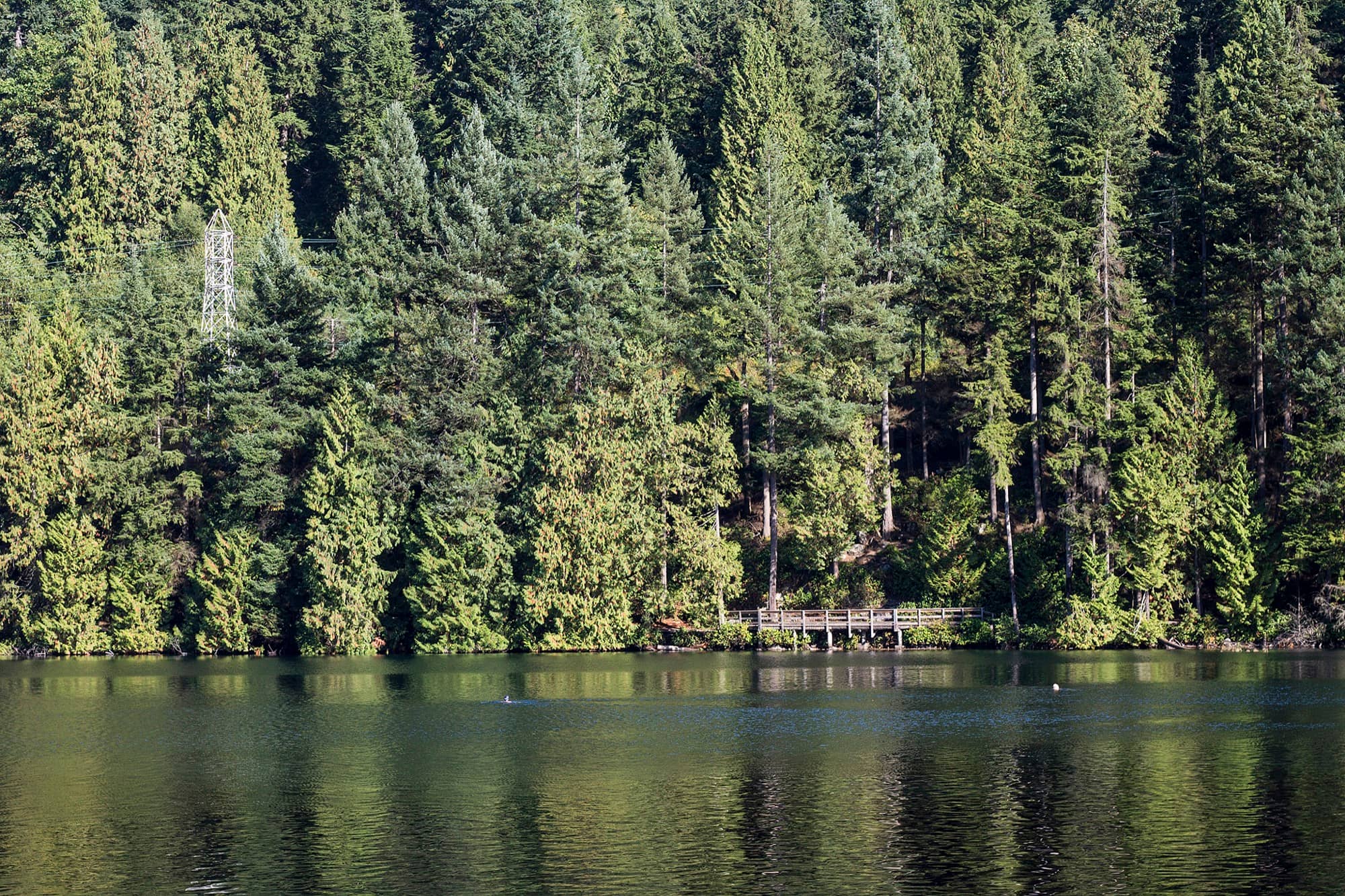
Outdoor & Land-Based Learning
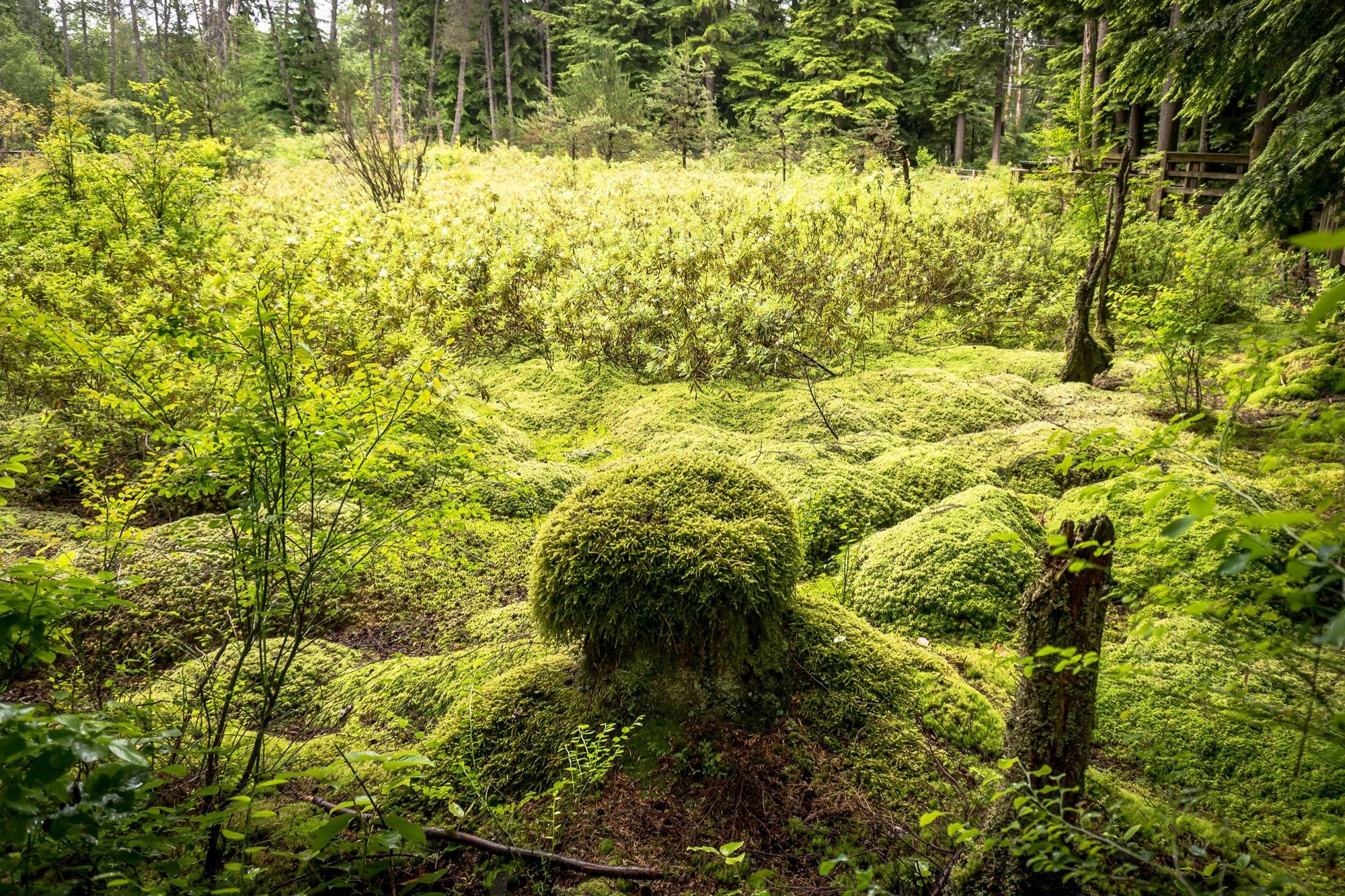
Coastal ecology, forest studies, water testing and a working garden, woven into regular courses rather than saved for field-trip day.
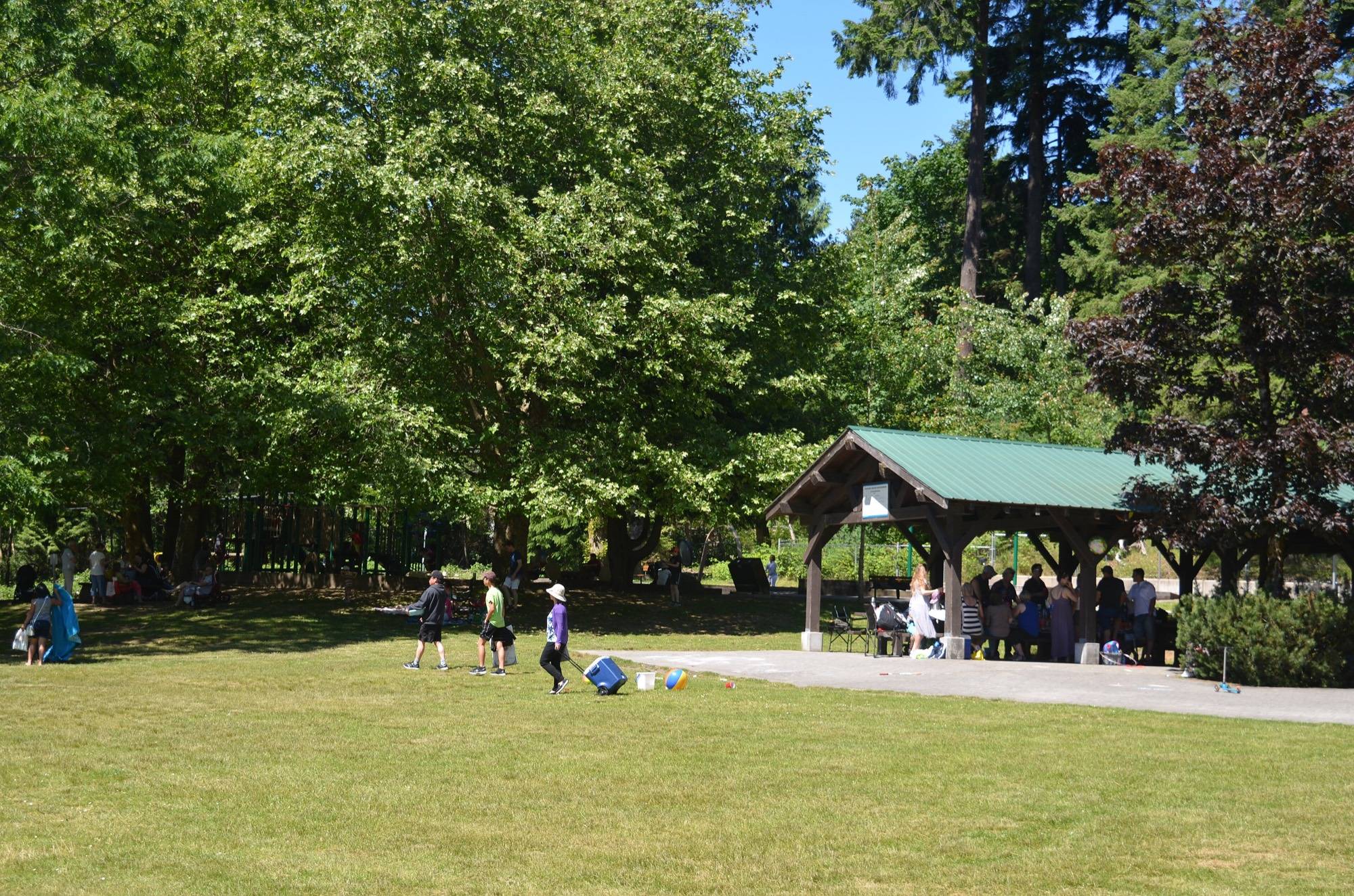
Student Life
Athletics, music, drama, visual arts, student-led clubs and leadership roles that connect students across grades.
Wellness & Inclusion
Quiet and regulation rooms, Universal Design for Learning, accessible spaces and a thoughtful approach to phones.
Our environment
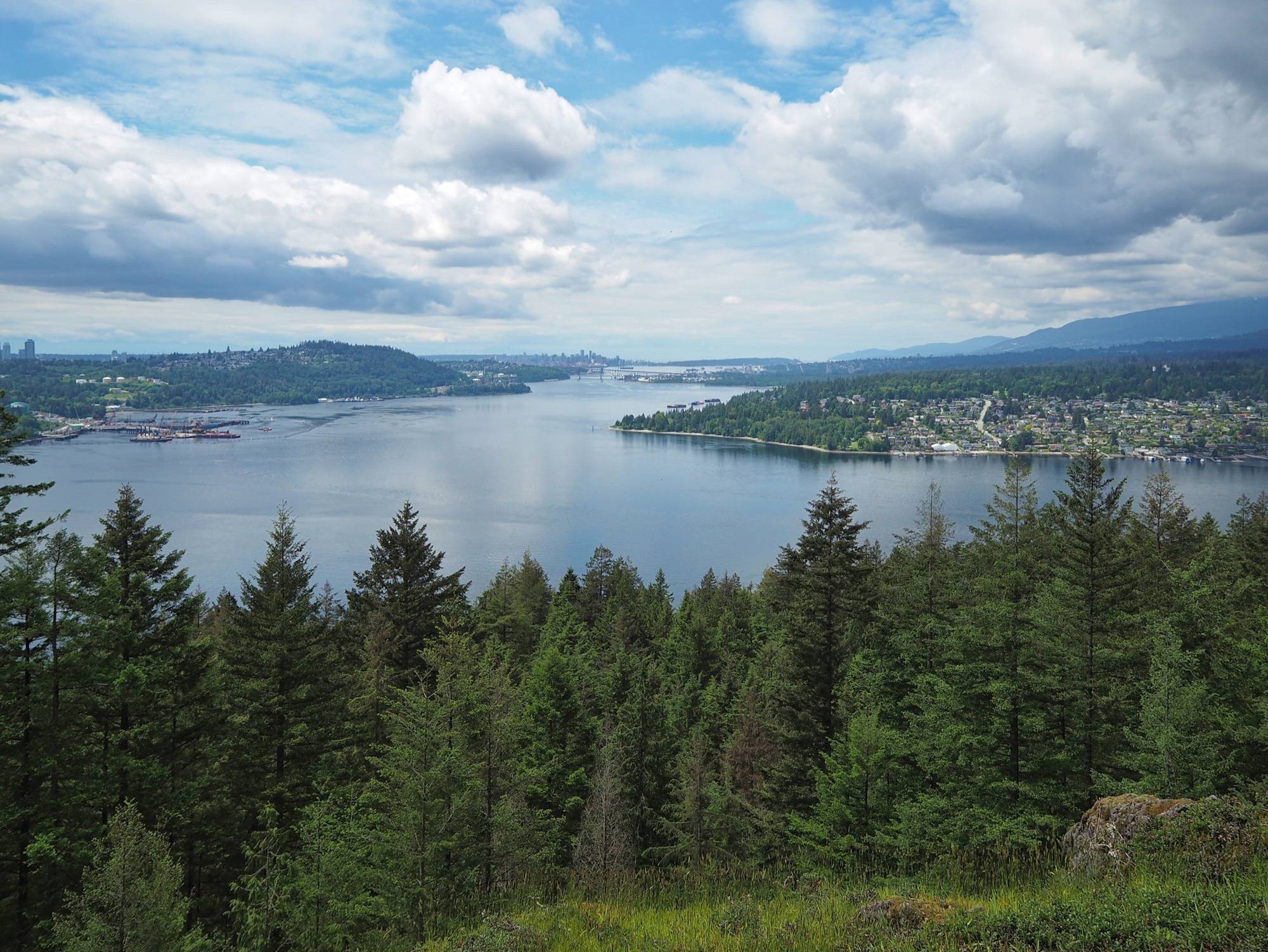
Between the forest and the inlet
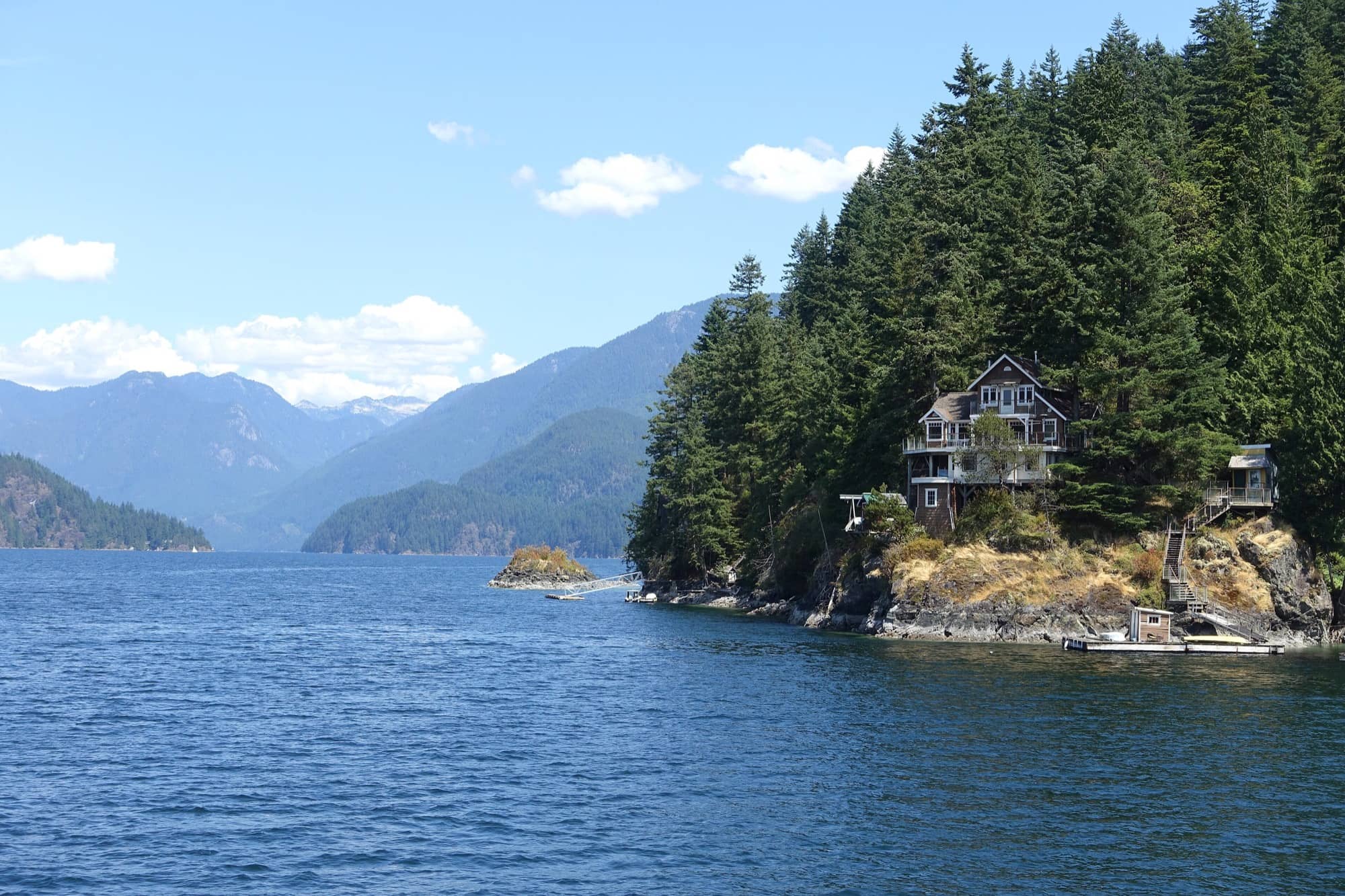
The shoreline of Burrard Inlet
Salt water and intertidal shoreline nearby, suited to marine science and stewardship work.
Forests and regional parks
Coastal forest and regional parkland in the area, suited to ecology, navigation and outdoor leadership.
Room to grow
Space imagined for outdoor classrooms, a school garden and gathering areas built into the campus.
Connected to the wider city
A location that could link with existing transit networks — something any real proposal would need to study.
School schedule
A day at Cedar Roots
8:30
Arrive & settle
Breakfast table, phone lockers, a calm start.
Step 1 of 58:50
Grove advisory
A small group and the same mentor teacher for four years.
Step 2 of 59:10
Learning blocks
Longer blocks for deep work, labs and time outdoors.
Step 3 of 512:05
Lunch & clubs
Student-led clubs, the garden, the gym, or a quiet room.
Step 4 of 53:30
After school
Athletics, arts rehearsals and community programs.
Step 5 of 5
Community connections
A school the whole neighbourhood can use.
After the bell, we picture the gym, garden, studios and learning commons hosting community recreation, intergenerational projects, public workshops and youth mentoring — so that the school belongs to the community as much as the community supports the school.
School campus