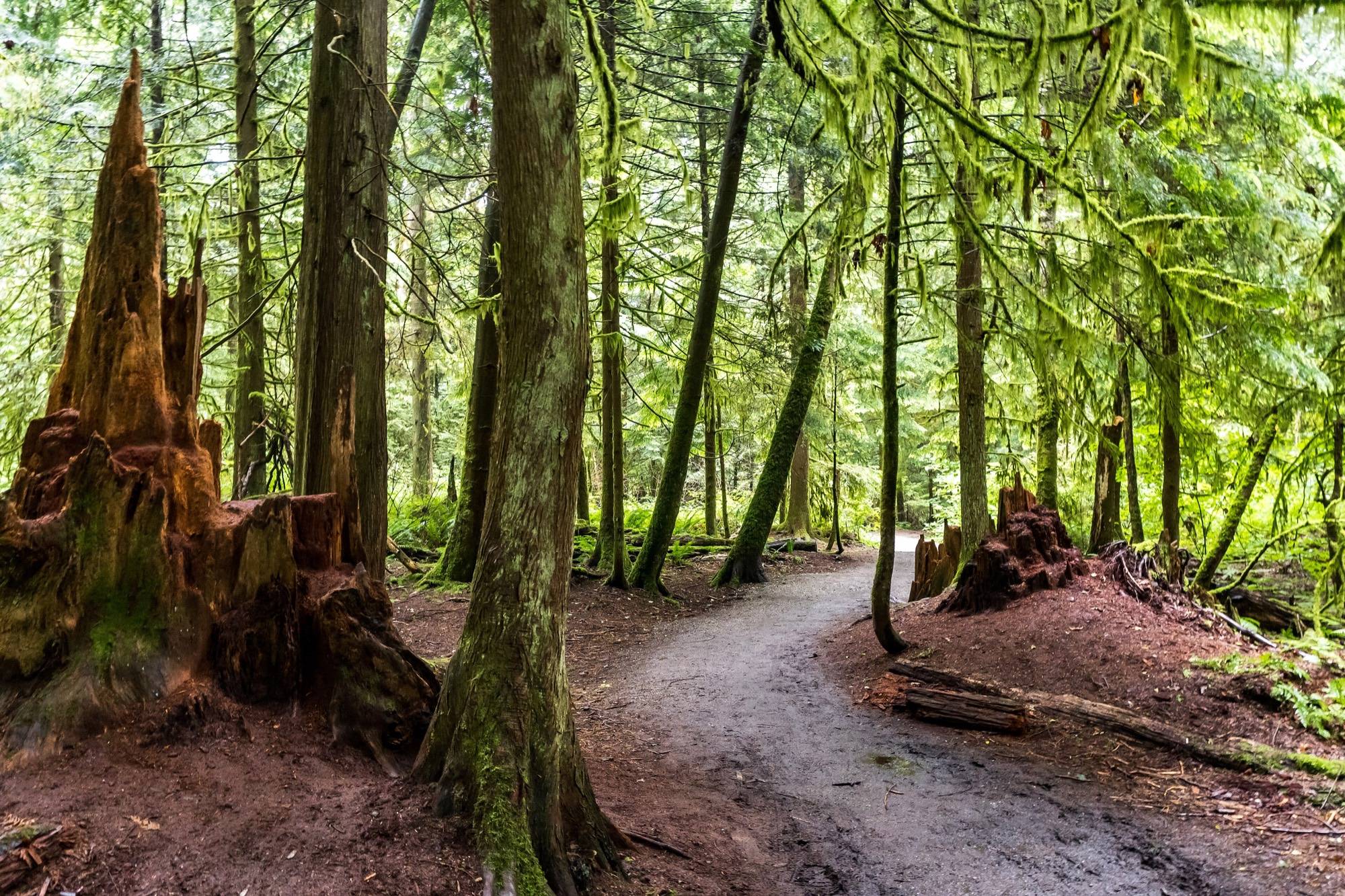
Outdoor & land-based learning
The classroom reaches the shoreline and the forest
Why learn outside?
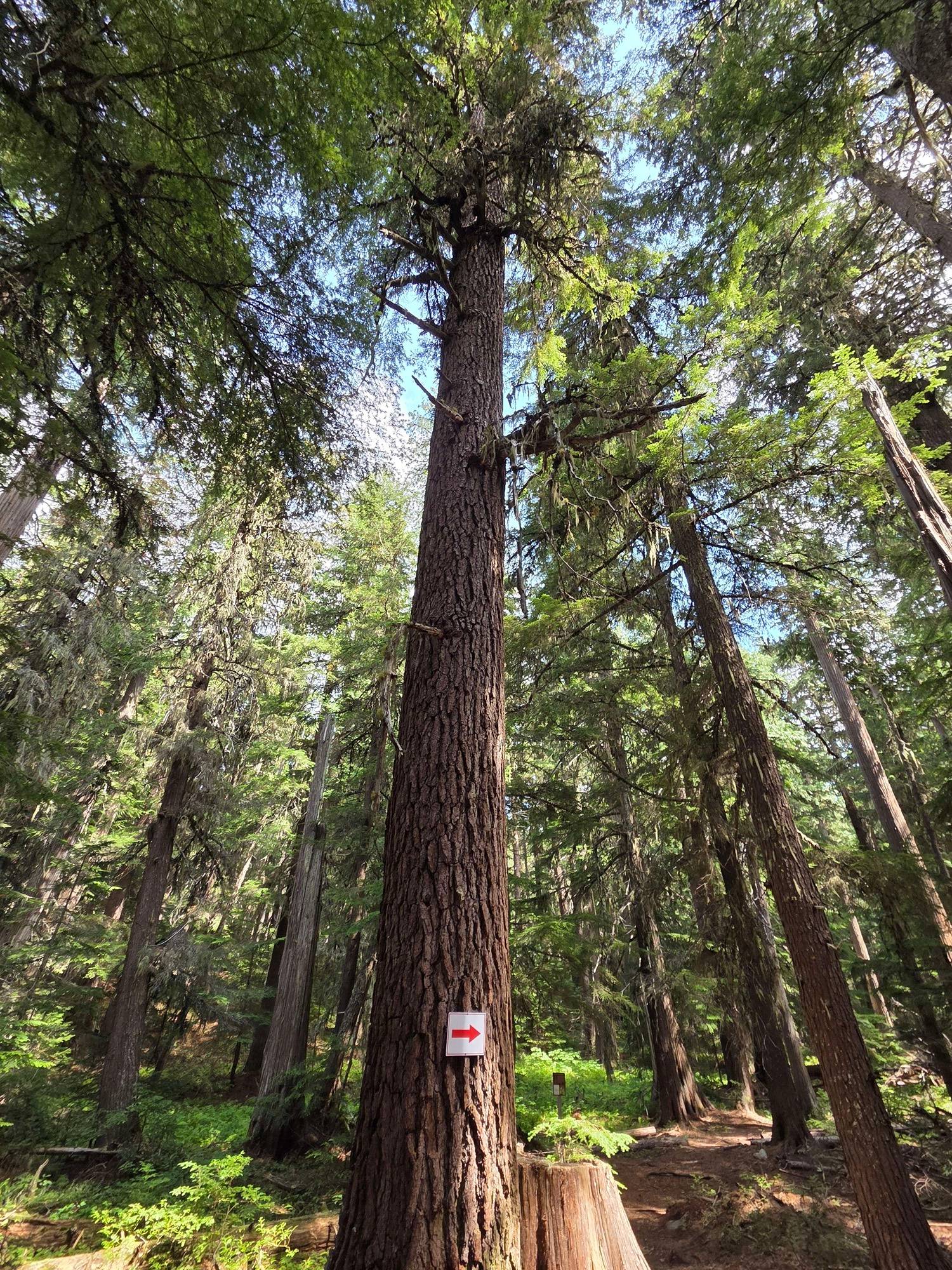
Real places make learning stick
When students measure a real stream, map a real forest plot or grow food they will cook, abstract ideas gain weight. They see why precision matters, why evidence matters and why their work matters to someone else.
Time outdoors also supports wellbeing, attention and physical activity — and builds a lasting sense of connection to the places students call home.
Every grade at Cedar Roots would have a weekly field-studies block, and many courses would include outdoor units. Activities are planned so that students of every ability can take part.
Proposed programs
Shoreline, forest, garden and community
Showing 9 of 9 programs.
- Shoreline
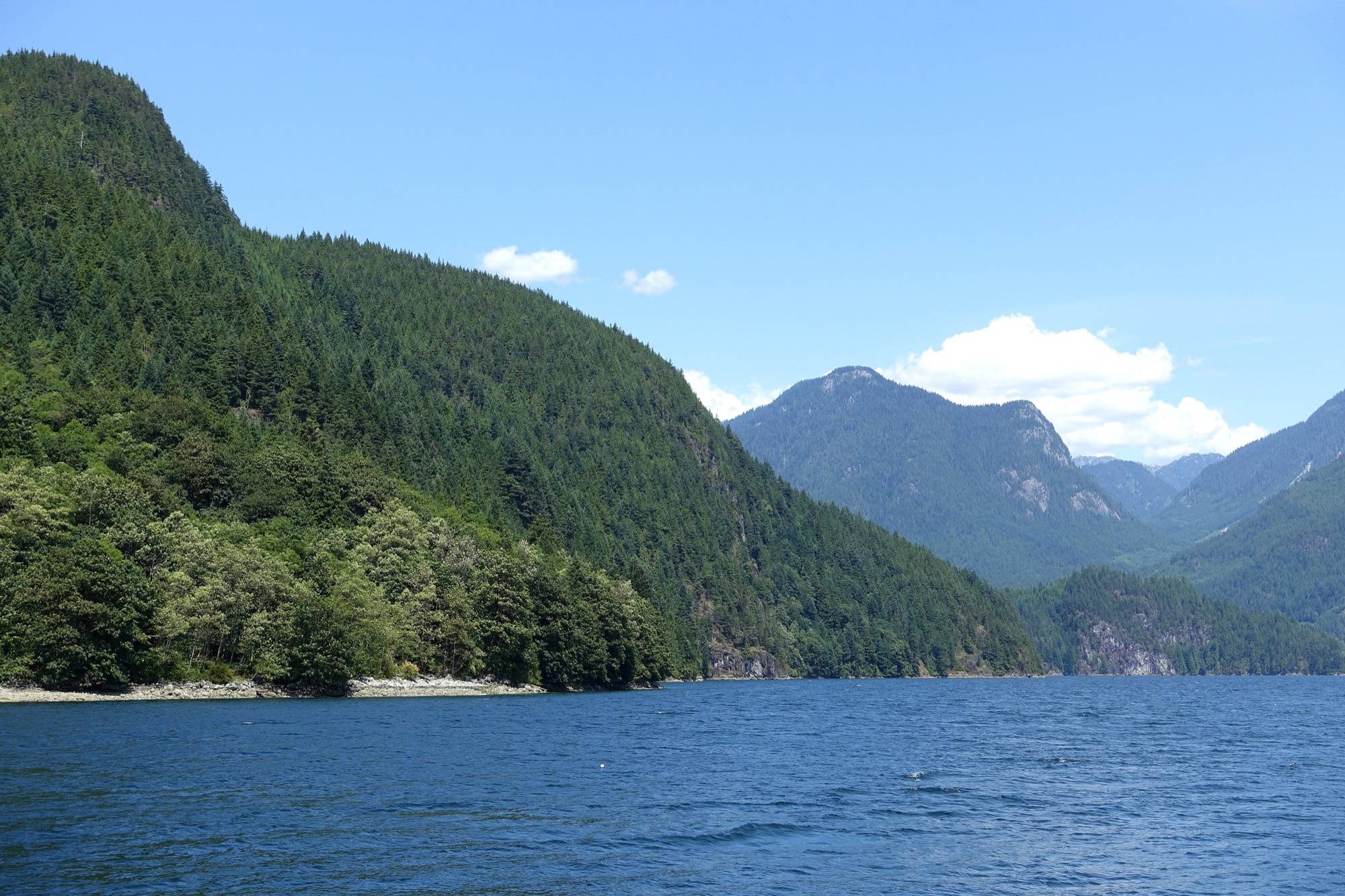
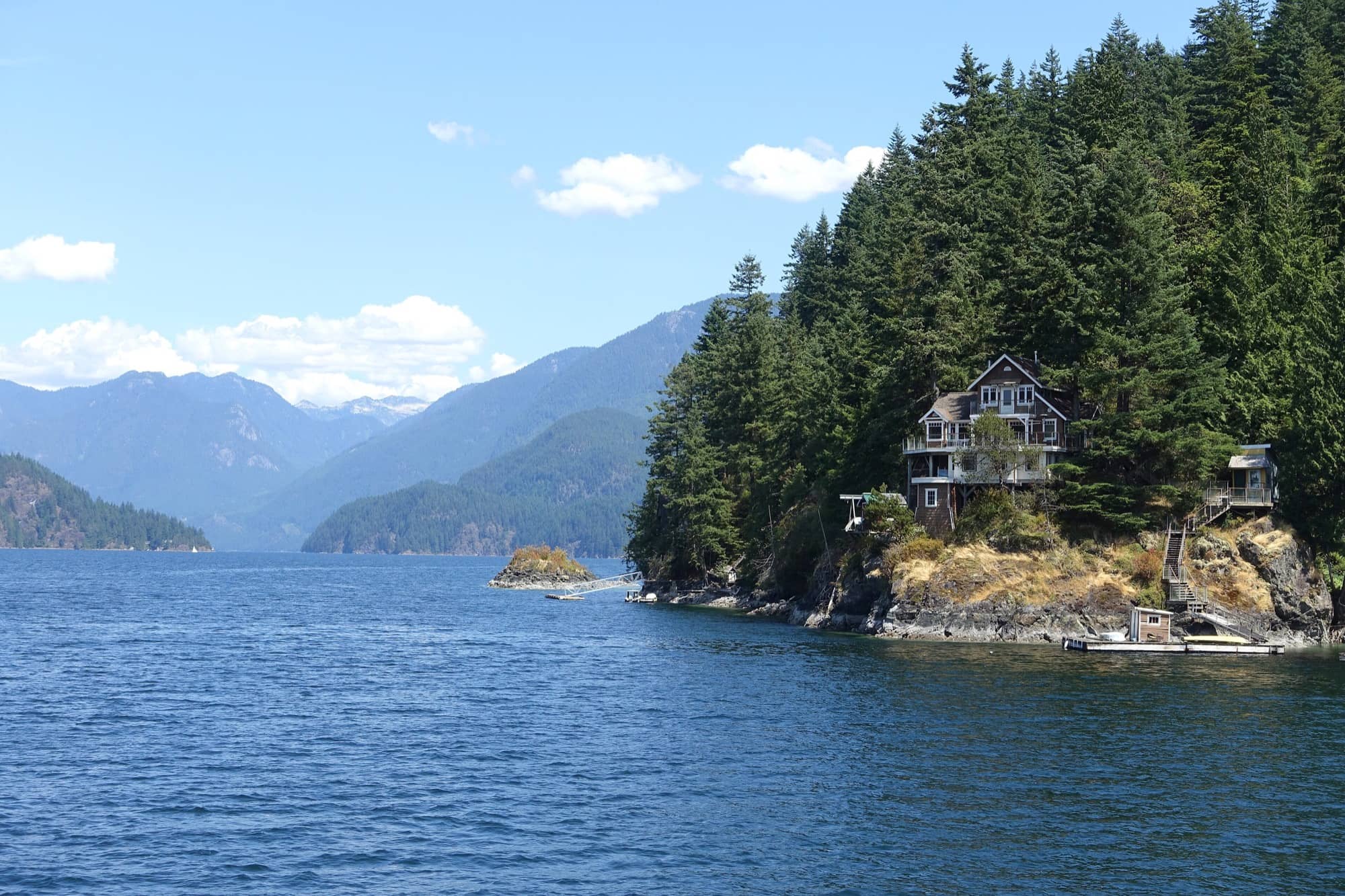
Coastal ecology
Studying the intertidal zone, tides and the creatures that depend on a healthy inlet.
- Low-tide surveys of shoreline species using transects and quadrats
- Tracking tide heights and relating them to lunar cycles
- Comparing shoreline sites with different levels of human impact
Curriculum connections
Science · Mathematics · Social Studies
- Forest
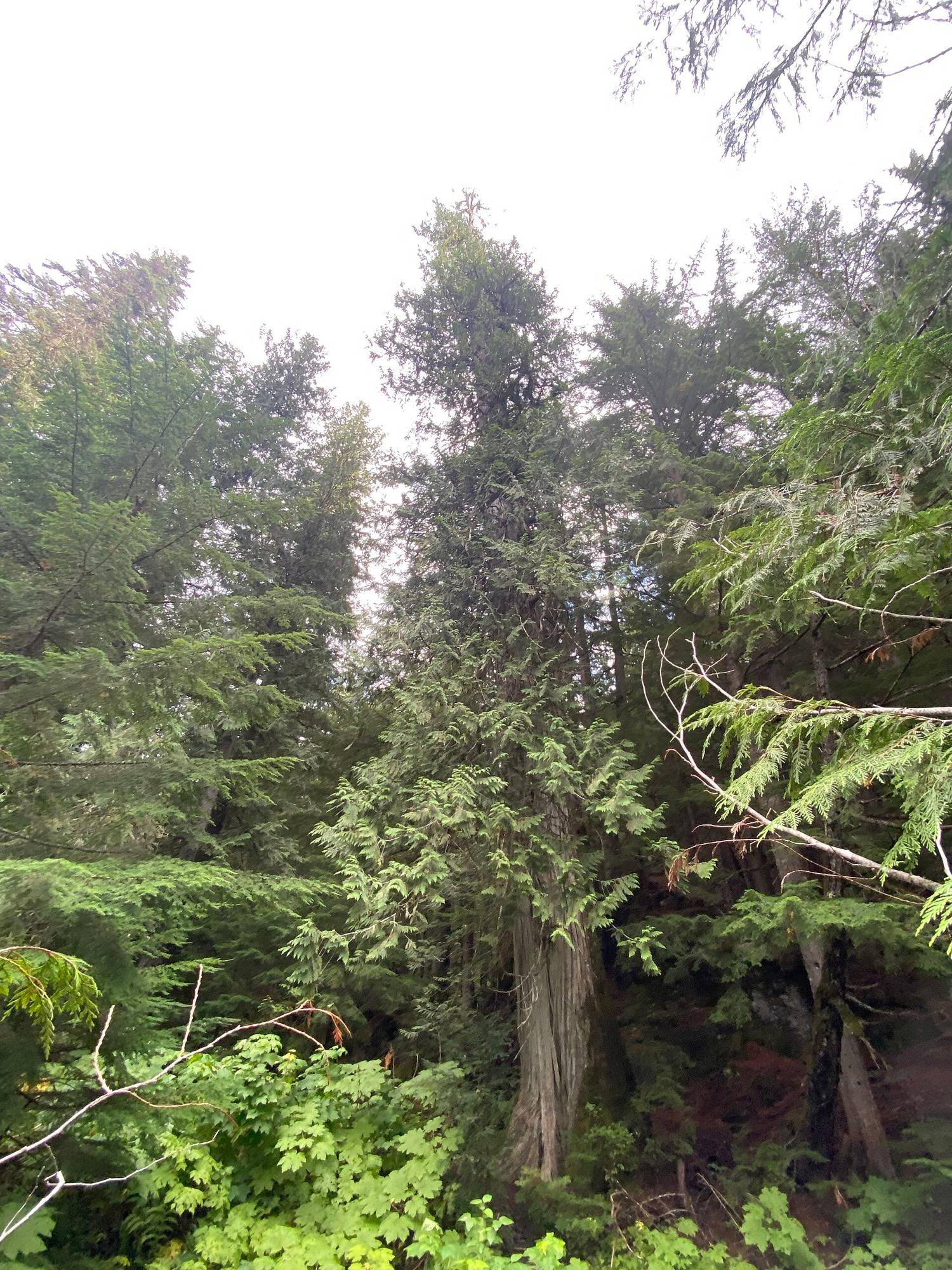
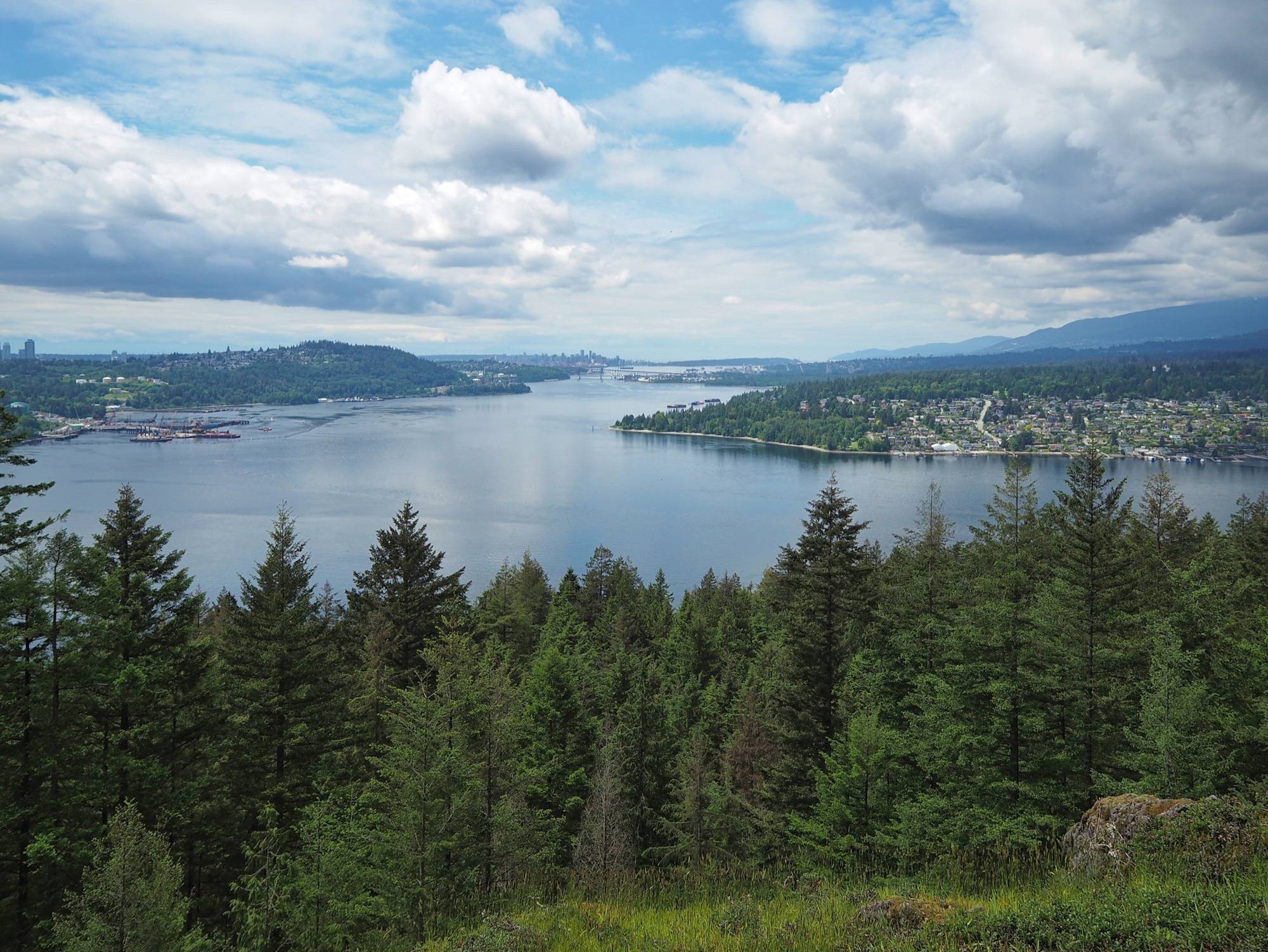
Forest ecosystems
Learning how coastal temperate rainforests work, from soil fungi to the canopy.
- Long-term forest plots measured each season by different grades
- Tree identification, including western redcedar, Douglas-fir and western hemlock
- Investigating decomposition, nurse logs and nutrient cycles
Curriculum connections
Science · Mathematics · Visual Arts
- Shoreline
- Forest
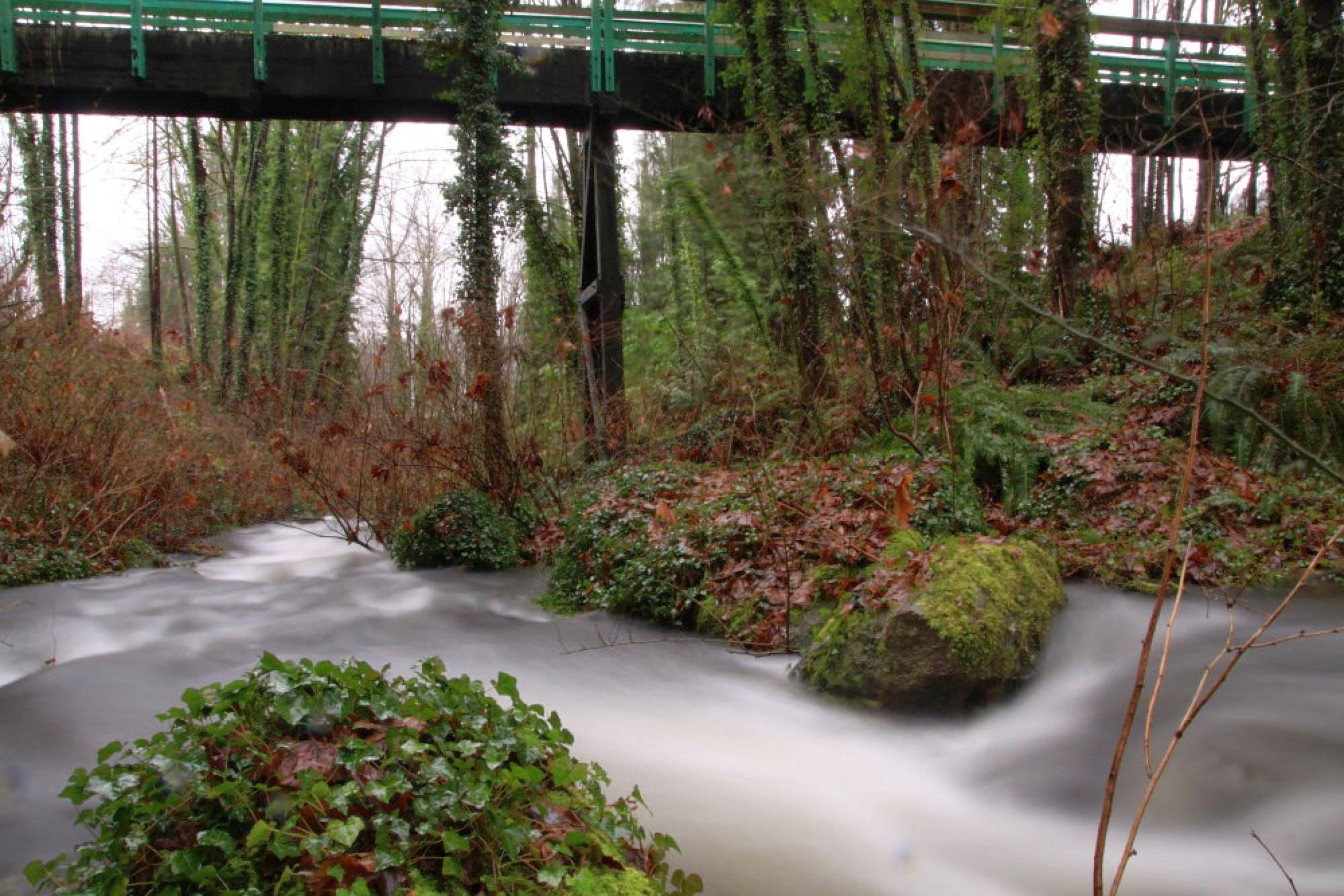
Water quality investigations
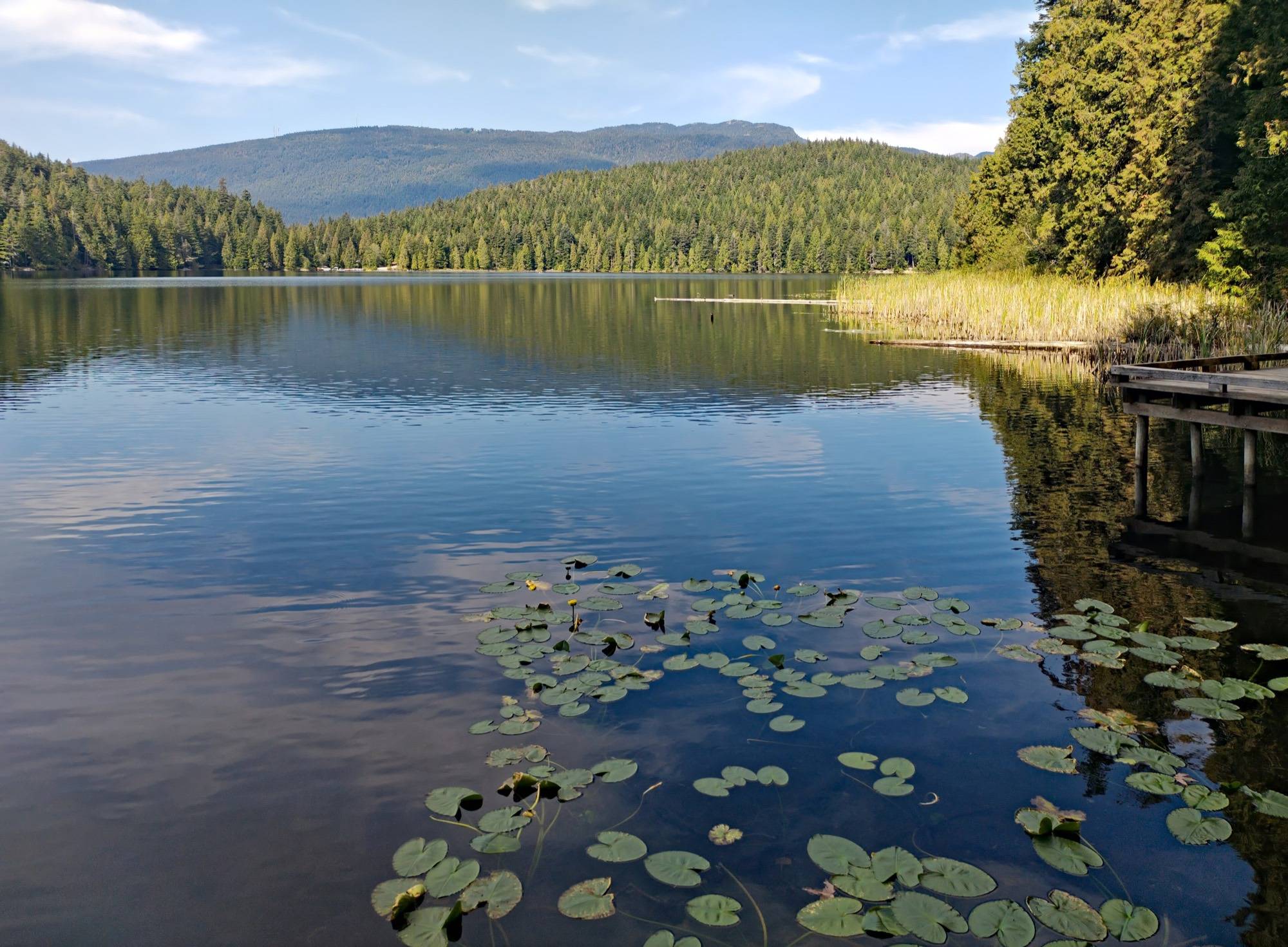
Testing streams and shoreline water, and sharing the data publicly.
- Measuring temperature, pH, turbidity and dissolved oxygen
- Sampling stream invertebrates as indicators of stream health
- Publishing results in an open data dashboard students design themselves
Curriculum connections
Science · Mathematics · ADST
- Shoreline
- Forest
- Community
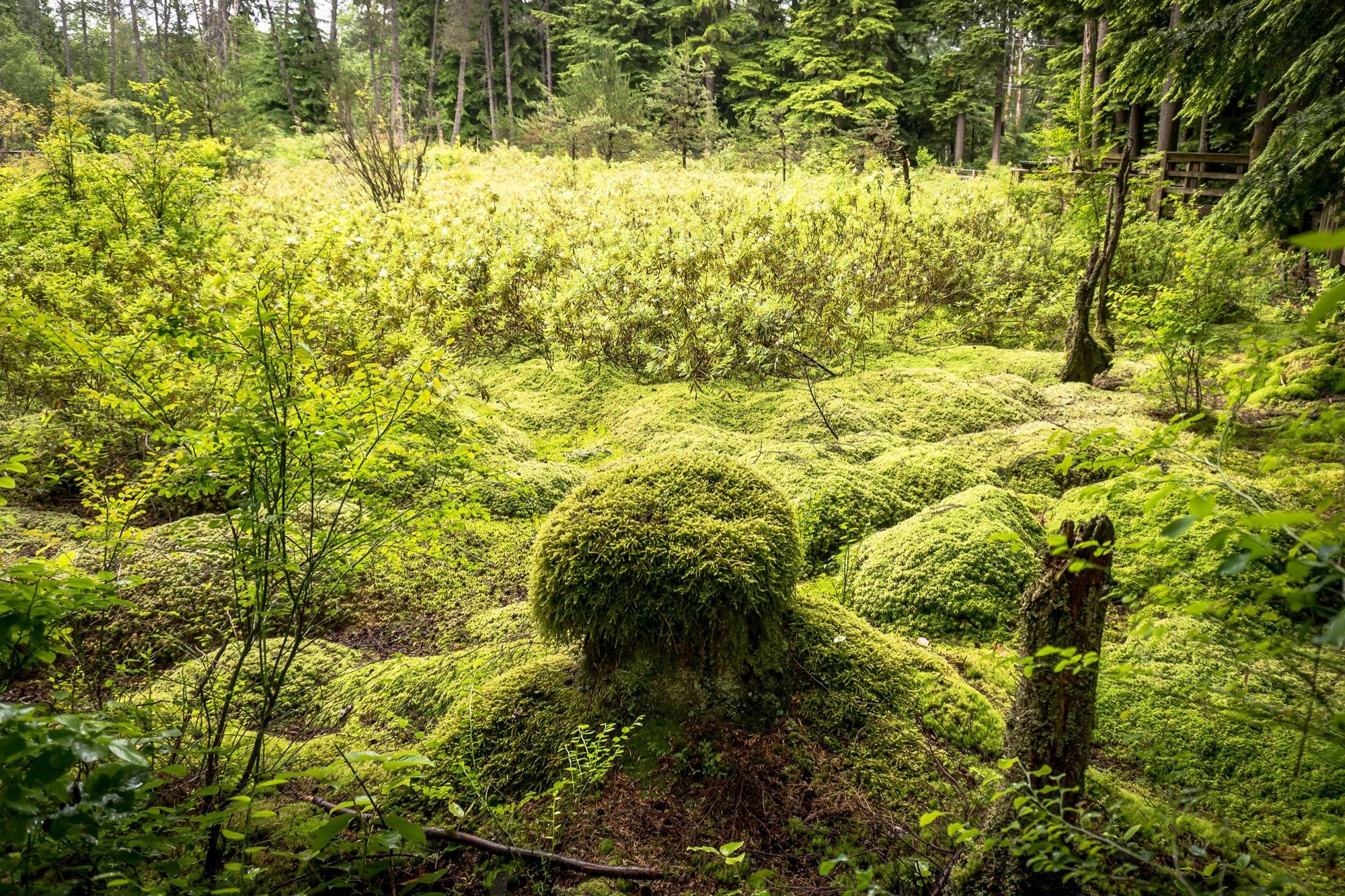
Environmental stewardship
Practical, ongoing care for local places — done with, and guided by, the people who look after them.
- Invasive plant removal and native replanting, with appropriate permissions
- Shoreline litter audits and clean-ups
- Student-led awareness campaigns for families and neighbours
Curriculum connections
Science · English Language Arts · Career Education
- Garden
- Community
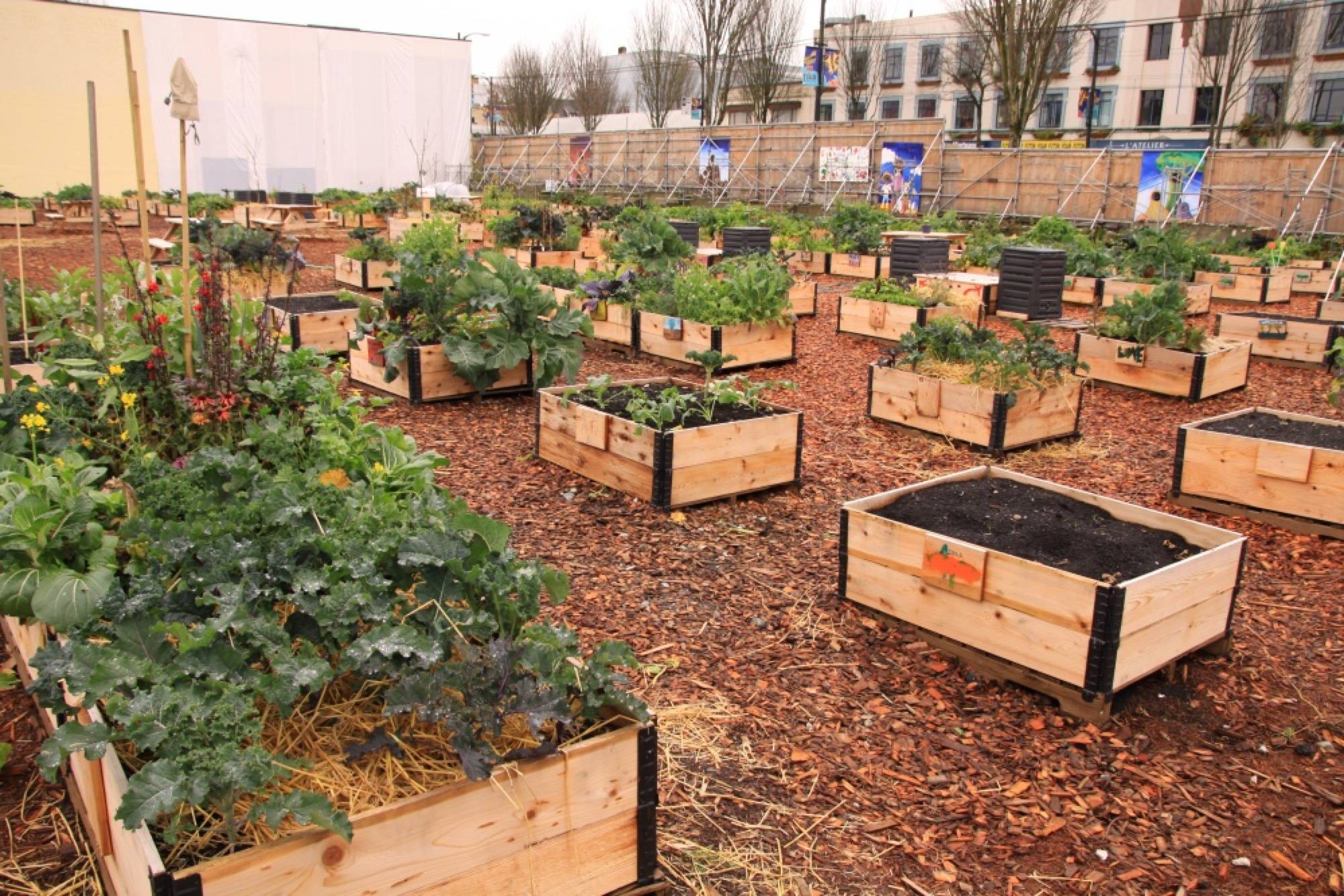
Community gardening
A working school garden shared with neighbours, families and younger students.
- Planning, planting and harvesting through the school year
- Composting and soil science
- Garden days with families, older neighbours and elementary buddies
Curriculum connections
Science · ADST · Physical & Health Education
- Forest
- Shoreline
Outdoor leadership
Senior students learn to plan, lead and keep others safe outdoors.
- Trip planning, group management and risk assessment
- First aid training
- Leading Grade 9 field groups under teacher supervision
Curriculum connections
Physical & Health Education · Career Education
- Forest
Hiking and navigation
Map, compass and trail skills that build confidence and independence.
- Forest
- Shoreline
- Community
Conservation projects
Multi-year projects where students contribute real data and real work.
- Citizen-science monitoring that feeds into public databases
- Habitat improvement projects planned with local stewardship groups
- Senior capstone projects presented to community audiences
Curriculum connections
Science · English Language Arts · Social Studies
- Garden
- Community
Sustainable food systems
Following food from seed to plate — and asking who has access to it.
- Cooking with garden produce in Food Studies
- Mapping local food sources and food security in the community
- Seed saving and season extension experiments
Curriculum connections
ADST · Social Studies · Physical & Health Education
Cross-curricular learning
One investigation, many subjects
Grade 10 students adopt a short stretch of a nearby stream for a term.
Science
Test water chemistry and sample invertebrates to assess stream health.
Mathematics
Calculate flow rates, graph results over time and look for trends.
Storytelling
Research the stream's history and write about how it has changed.
Art
Create field sketches and a public exhibit of the stream through the seasons.
Physical Education
Plan and complete the hikes needed to reach each sampling site.
Learning with care
Indigenous knowledge and perspectives
Land-based learning in British Columbia takes place on the territories of First Nations who have cared for these lands and waters since time immemorial. BC's curriculum asks every school to include Indigenous perspectives — and doing that well requires humility, time and relationships.
Cedar Roots does not claim to teach Indigenous knowledge on its own authority. Any such learning would happen with genuine relationships, appropriate permissions and guidance from the relevant local Nations.
Relationships come first
Any learning that involves Indigenous knowledge would grow from genuine, long-term relationships with the local Nations — not from a curriculum unit planned in advance.
Guidance and permission
Cultural knowledge, stories, language and protocols belong to the Nations and their knowledge holders. The school would seek guidance and appropriate permission before sharing or teaching them.
Fair recognition
Knowledge Keepers and community members who share their time and expertise would be invited respectfully, acknowledged properly and fairly compensated.
No appropriation
We will not invent or borrow Indigenous terms, teachings, ceremonies or artwork. Where we do not have permission, we do not proceed.
Safe and accessible
Outdoors for everyone
- Written risk assessments and trip plans for every outing, following district policy
- Trained staff, appropriate supervision ratios and first aid on every trip
- Weather and tide checks, with alternatives ready for unsafe conditions
- Informed consent and clear communication with families
- Accessible routes and adapted activities so every student can take part
- A gear library so cost is never a barrier to going outside